The 7/11 technique is a breathing exercise whereby you breathe in for a count of 7 and out for a count 11. It is used to help alleviate and overcome symptoms of anxiety and stress. A simple yet powerful technique that facilitates relaxation helping you to regain composure.
Emotional intensity
When we experience powerful emotions, such as fear or anxiety, our brain changes from the way it usually works because it perceives a threat of some sorts. Intense emotions narrow the focus of our attention zooming in on whatever we perceive as threat in front of us. This means, we lose sight of the bigger picture. Parallel, our thoughts are polarised meaning we see things only as black or white, good or bad. We miss the shades of grey, the middle ground. It is a natural process that we know as our fight or flight response when our SNS, Sympathetic Nervous System is activated.
When we are under actual threat, we need our brain to narrow down and react quickly.
However, when our brain appraises a situation as psychological or emotional threat this can also lead us down an unfortunate route. It is important to remember that when we are in this state, we have limited access to the full power of our thinking capacity, which we might need to solve a problem at hand.
All strong emotions such as fear and anxiety but also love, excitement, frustration, anger, and disgust have this very specific effect on the way that our brain works.
Why breathing
All breathing techniques have in common that they work by stimulating the PNS, Parasympathetic Nervous System; this is the branch of our nervous system that is activated when we relax; rest and digest. Exhalation decreases our blood pressure, slows our heart rate and dilates our pupils, lowering emotional arousal in the process.
Think about the pattern of breathing when we sing: We take a fairly short inhale and an elongated exhale. The same principle applies for example in the Ujiayi-breathing technique in yoga and, less healthily, when smoking.
This breathing sends a message to our brain that there is no immediate threat in turn calming our emotional arousal.
How to do 7/11 breathing
1) Breathe in for a count of 7 (it doesn’t have to be 7 seconds)
2) Breathe out for a count of 11
3) Continue for 5-10 minutes, ideally longer
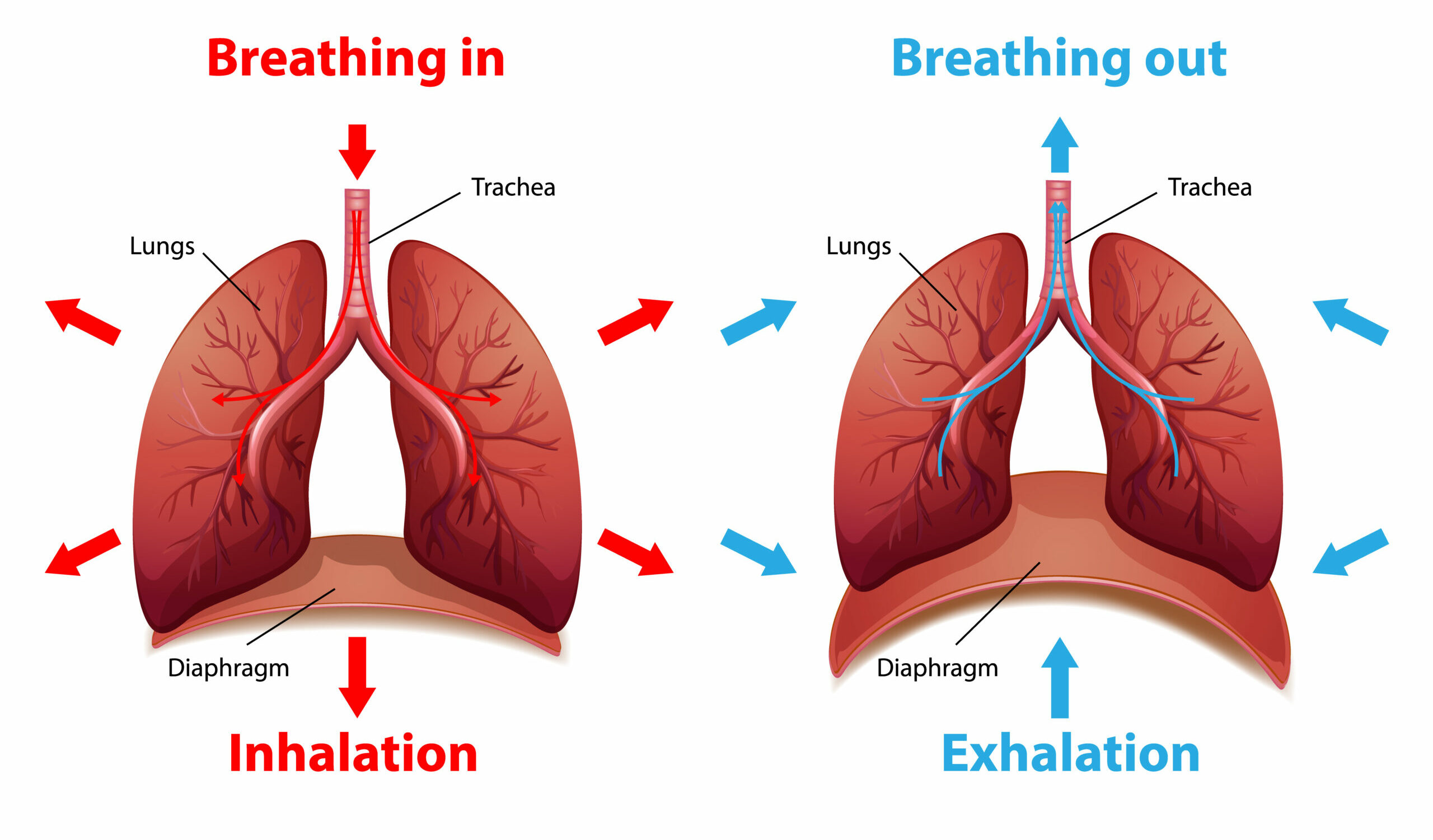
Ideally, try and use your diaphragm when you are breathing, i.e. do deep belly breaths. This will move your diaphragm down and push your stomach out as you take in a breath.
If you find counting 7/11 is too difficult, you can try with 3/5. The ratio of your inhalation to exhalation is what matters not the numbers per se.
You can close your eyes and listen to music whilst practicing to help your relaxation. If you find your mind is very busy, try counting out loud to distract. This should help take your mind off your immediate concerns.
The 7/11 breathing technique has been around for thousands of years. As a psychotherapist, I have used it myself and to help hundreds of people alleviate and overcome panic, anxiety and stress.
by Veronika Kloucek, MA MBACP UKCP YAP accr., Integrative Psychotherapist & Counsellor
Bullying, sometimes mobbing (German: Tyrannisieren), is a widespread issue in the workplace. It can occur at any level and in various forms.
Sometimes bullying is dismissed and downplayed as a commonplace issue, such as a personality clash, a particular leadership style, character-building, or even as provoked behaviour. However, it is crucial to differentiate between legitimate constructive criticism or work monitoring – when done objectively and constructively – and bullying actions that intend to intimidate, threaten, humiliate, or unjustly single out an individual.
Who Bullies?
People who bully others may either be unaware of their behaviour or, worse do it intentionally to lift themselves up by putting others down. Common forms of bullying behaviour include:
Intimidation: Social exclusion, threats, spying, or other invasions of privacy.
Retaliation: Accusations of lying about being bullied.
Verbal Abuse: Racial or discriminatory slurs, mockery, humiliation, jokes, and gossip.
Work Performance Sabotage: Wrongful blame, idea theft, interference.
Institutional Bullying: When an organisation accepts, allows, or even encourages bullying through unrealistic goal setting, forcing overtime, or excluding those who can’t keep up.
Bullying occurs at all levels. According to the Workplace Bullying Institute (2021), men make up the majority of bullies (67%) and slightly more than half of the targets (51%). Women are twice as likely to bully other women than men.
Most bullying (65%) is top-down, with bosses as the primary source, followed by co-workers (21%). Notably, 43.2% of remote workers report being bullied most often in virtual meetings rather than via email. If you’re targeted by bullying, there’s a 67% chance you may lose your job.
Are You Being Bullied?
Ask yourself these questions:
Are you micro-managed and doubted in your ability to do your job without reason?
Are you repeatedly being insulted, yelled at, or aggressively shouted at?
Are your job specifications and targets constantly changing?
Are you being blamed for things beyond your control?
Are you frequently ridiculed or criticised?
Are you the target of an ongoing office joke or derogatory comments?
Are you being given the ‘silent treatment’?
Here’s an example:
“On my first day at this firm my supervisor told me ‘I am going to break you’. I thought it was a joke, but she kept her promise. Week after week I found myself working long hours and weekends. I felt utterly overwhelmed with the enormous amount of work that she gave me, much of which was beyond my skill-level so that I started second-guessing my competence and confidence. Although she was very knowledgeable and could be very nice and helpful, you never knew which side to expect from her. It could quickly turn into public shaming in meetings when my opinion wasn’t what she wanted to hear. It made me sick to my stomach and I dreaded coming into work. Eventually I was signed off work with anxiety and depression.”
What Are The Effects of Bullying?
Bullying can be subtle or overt, but it is always distressing for the individual. It can impact mental health and wellbeing far beyond the office. Symptoms may include:
Feeling sick or dreading work
Trouble waking up or getting good sleep
Self-doubt, low self-esteem, and constant worry about work
Losing interest in activities you usually enjoy
Experiencing suicidal thoughts, depression, or anxiety
Physical symptoms like digestive issues or high blood pressure
Increased risk of type 2 diabetes
What Is the Cost of Bullying for the Organisation?
Bullying has serious consequence for businesses, including financial losses from legal costs or internal investigations. It also leads to decreased morale and productivity among staff, along with higher absenteeism and turnover rates. When bullying is not addressed, it can become systemic, making it increasingly difficult to tackle over time.
Bullying vs. Harassment: What’s the Difference?
Both, bullying and harassment involve behaviour that makes someone feel intimidated, threatened, humiliated, or anxious. However, harassment is specifically related to actions toward a protected group under the Equality Act 2010 and is unlawful. Harassment can be based on age, sex, disability, gender reassignment, marriage and civil partnership, pregnancy and maternity, race, religion or belief, sexual orientation.
Good Practice
To protect employees and the business, it’s essential to have detailed HR policies on bullying and behaviour in the workplace. These policies should be applied at every level of management and clearly communicated to all staff. Complaints about bullying must be taken seriously, and management should work together with individuals to find solutions.
Many successful organisations also rely on external support, such as therapists, to equip individuals with strategies to cope with bullying an to provide advice on HR policies.
Resource:
Workplace Bullying Institute, https://workplacebullying.org/2021-wbi-survey/
We support businesses with confidential Staff Counselling Services, Resilience Seminars, and HR support.
Having worked in the corporate world ourselves, we know in our own skin of the pressures and stress that can arise from trying to meet expectations and maintaining a good work-life balance. We work with organisations of all sizes and shapes, helping staff across the board from business leaders to administration.
In-House Counselling accompanying PMI
Private medical insurance is for many employees a determining factor in deciding between companies during a career change. However, when it comes to mental health support PMI’s often fall short. Restrictions and limitation to access are often revealed when most needed leaving employees with very limited support in dire times and companies with unhappy, less resourceful staff.
In situations where motivation is low and pressure is high, difficulties are most effectively addressed with an approach that combines a solution focus with a relational exploration. Recent adaptations of the NICE (National Institute for Clinical Excellence) guidelines have taken this need into account to include evidence-based relational therapies.
We offer bespoke and confidential one-to-one online Counselling sessions that integrate these approaches to help individuals address their situation. We also offer specifically developed Stress Resilience programs that are based on the hugely popular Mindfulness-based Stress Reduction program (MBSR) which has been proven successful over the last 30 years with individuals and corporates across the world.
We help companies to maintain a happy and fulfilling workplace and individuals to feel empowered and good about themselves, and to excel and have excellent working relationships with colleagues.
And we look forward to hearing from you with your enquiry!
Get up at the same time every day Set up a routine to help your body get into a natural sleep rhythm.
Exercise Regular exercise, not too close to bedtime, improves sleep.
Spend time outside Being outside, preferably in nature, can improve the quality of your sleep.
Look at your diet Try cutting down and avoid near bedtime caffeine, alcohol, sugar, rich food or a heavy meal.
Have a wind down routine Set up an evening routine such as reading, having a bath, preparing for the next day. Focussing on your breathing for a few minutes or doing mindfulness or meditation helps calming the mind.
Reduce screen time Melatonin is suppressed by the blue light from your phone or laptop. Turn off screens an hour before bedtime and use an alarm clock instead of your phone.
Create a sleep sanctuary Keep your bedroom cool, dark and free from clutter.
Waking up in the night Instead of indulging in thinking when you wake up in the middle of the night, try keeping the lights low but get up, go to the loo, or read until you feel sleepy again.
Try not to worry Can you solve the problem right now? Yes, do it. No, hit the ‘pause’ button and worry about it tomorrow, it will still be there waiting for you, and give yourself permission to go back to sleep to increase the quality of your sleep.
Seek support Reach out to a professional if you experience prolonged periods of interrupted or little sleep lasting more than a few weeks.
Alternatively, there are some longer-term lower-cost talking therapy services that enable access to therapy for people on low incomes and benefits. These services are often based in the community or attached to therapy training institutes. Some are means tested, and some offer fixed fees.
Below a selection of some lower-cost therapy services in London. Please note, this list was last updated in May 2024.
High-quality Integrative Relational Counselling and Psychotherapy treatment (min. one year, once weekly) provided by experienced, supervised therapists in the later stages of training. Location: Online and in person boutique clinics Self-referral tel: 07507 055611 Online:contact form
Integrative Counselling and Psychotherapy treatment (min. one year, once weekly) provided by experienced trainees in supervision. Location: 20 Lonsdale Road, Queen’s Park, London NW6 6RD Self-referral tel: 020 7644 6240 Online:contact form
Psychoanalytic Psychotherapy (max. 2 years, once weekly) treatment for residents of Lambeth, Lewisham and Southwark provided by experienced psychotherapists and trainees in supervision. Location: 47 Nelson Square, London SE1 Self-referral tel: 020 7401 3260 E-mail: clinic@guildofpsychotherapists.org.uk
Intensive Psychotherapy, Psychoanalysis, Jungian Analysis treatment (min. 2 years, 3 sessions per week) provided by experienced trainees undertaking an advanced training. Locations across London E-mail: clinicalservices@bpf-psychotherapy.org.uk
Counselling & Psychotherapy treatment available those who are on benefits or low income provided by Counsellors, Psychotherapists and Counselling Psychologists working towards accreditation. Locations in Clapham, SW4 9JX, and Tooting, SW17 7PB Self-referral tel: 020 8673 4545 Email: appointments@theawarenesscentre.com
Psychodynamic psychotherapy for up to 60 sessions, means tested. Location: Wimbledon Guild of Social Welfare, Guild House, 30/32 Worple Road, Wimbledon SW19 4EF Self-referral tel: 020 8296 0030 Email: counselling@wimbledonguild.co.uk
Whether you are thinking of switching from in-person sessions or thinking of starting out for the first time, there are a few things to consider that will help you make the most out of your Online Therapy experience.
As a newcomer to therapy you might be unsure about
how secure and easy to use is online technology?
how difficult it might be to form a real, close bond with a therapist online?
how effective treatment and outcome might be?
Choosing a therapist who has experience with working online can be helpful as they will already have carefully considered data security and thought about what systems to use. Thus, they will be able to talk through any questions and concerns you may have. As they will be familiar with the pros and cons of meeting online, they can provide clear guidance for how to use video technology that should only require only minimal effort on your part.
However, perhaps you find yourself having to shift because your therapist has moved their practice to telephone or video consultations due to current COVID-19 circumstances. This transition can be jarring especially if your therapist is new to this kind of working. Read on for some tips how to navigate this transition.
Does online therapy work?
There is ample evidence and client reports that dispel myths about Online Therapy. In fact, a growing body of evidence shows outcomes in online therapy are similar to treatment in person. Various case studies have suggested that videoconferencing counselling can be an effective means of treatment delivery (Simpson, 2009).
A review of 23 quantitative and qualitative studies (Simpson & Reid, 2014) suggests that clients can form and feel just as strong a therapeutic bond via video or phone call as in person. Of course, sometimes a relationship doesn’t gel but this can happen independently of screen or room.
Some clients who have shifted from meeting in person say that working online seems to have brought them closer with their therapist and deepened the therapeutic relationship. Others who struggle with opening up have reported that being behind a screen, makes it easier for them to be open and talk about things that seem too difficult to tell when sitting together in a room.
6 tips to make the most out of Online therapy
1. Creating your therapy space and time
Online therapy can take place at any time and any place but don’t let this fool you! Therapy involves an emotional process and usually this would be protected in your therapist’s consulting room.
When you are meeting online it is just as important to make sure you have a safe space that is private and confidential. Whatever your environment, you want to set aside a dedicated time and find a quiet place without any distractions where you can think and feel, and your conversation won’t be overheard.
2. Giving yourself time to settle in or adjust
If this is your first time in therapy, you might want to give yourself some time to discover what works best for you on a practical level, such as space and time, as well as getting to know your therapist. It is a new relationship after all.
When shifting to online work from having previously met with your therapist at their office, it is important to acknowledge and grieve the loss of your in-person meetings which can entail a range of feelings from frustration and sadness to fear. Communicate your experience to your therapist.
3. Working out what is your best medium
Discuss with your therapist what technology you will be using together and let them know about any difficulties you may worry about. Agree a fallback if you are having trouble connecting. If you are using video, make sure you put your camera on a stable surface then sit back a bit so that your therapist can see your head and upper body.
Usually at the beginning of your therapy you agree a regular meeting space and time. Whilst the same framework will apply in principle, it might be useful to discuss some extra provisions for online work. For example, if you expect that on occasion you might find yourself unable to have privacy in your space, you could arrange a phone call instead of video allowing for some flexibility.
4. Taking advantage of the online space
When you meet at your therapist’s consulting room you enter their environment, which most commonly will not change much.However, using video calls means you are bringing your therapist into your space. Maybe you find your cat taking a curious stroll in front of the webcam, or you could show your therapist some meaningful belongings that you would otherwise not bring along to their office.
5. Naming your experience
Research suggests about 80 % of our communication is non-verbal (Carroll, 2005). When we sit together in a room, we note our mutual bodily cues and subtle facial expressions as well as have a felt sense of each other. Your therapist may sometimes comment on these observations.
In online therapy it can be more difficult for this stream of communication to be noticeable for your therapist, sometimes due to interruptions in the technical connection or background noises.
You can use this as an opportunity to practice self-awareness and your skills in naming experiences and expanding your “emotional dictionary”. For example, when your therapist says something that resonates you could say “When you just said this, I found myself feeling… “
6. Dialogue and feedback with your therapist
Don’t be afraid to share with your therapist what works for you and what doesn’t whether this is the platform that you use or their way of communicating or anything else. Especially if both of you are new to working online there can be some hurdles to overcome initially.
Addressing them straight away can foster your therapeutic relationship as you work through these hiccups together. Don’t forget your honest feedback is also a valuable source of growth for your therapist!
With Coronavius continuing to headline around the world it is not difficult to feel anxious.
Whilst ample advice is given on how to best prevent the physical aspects of the disease COVID-19, such as frequent and proper hand washing and avoidance of social contact (GOV.UK,NHS), little is said about the impact this pandemic can have on mental health and how to cope with the anxiety and stress this pandemic provokes.
Coronavirus can affect us directly or indirectly and understandably we may experience, for example:
Worries about catching or spreading the disease
Fear of the severity of symptoms and death rates
Worries about vulnerable loved ones contracting the virus
Anxiety about financial and economic pressures and losses
Stress of dealing with self-isolation or quarantine
Irritation about significant changes in our social life and daily routines
Fear of restrictions to our freedom of travel and movement
Anxiety: the mind-body link
A strong immune system is our body’s primary defence mechanism. Whilst it may not prevent us from catching the Coronavirus, it is designed to fight off all kinds of illnesses caused by viruses and bacteria.
In uncertain times, when we are faced with the unknown, it is normal that we experience anxiety. Our brain tries to reduce this anxiety by attempting to close the gap of not knowing. Tirelessly it searches for answers. This can get us stuck in an unhelpful cycle of re-triggering anxiety when no solution is present to the problem at hand.
When we experience anxiety or panic the fear centres in our brain are being contacted which, in turn, release stress hormones. This is a normal function of our body. It makes us run when we hear a fire alarm for example.
When high levels of anxiety and stress continue over prolonged periods of time it can have a corrosive effect on our body/mind system, lowering our immune system. So it is important that we give ourselves some rest, i.e. calm down regularly, in order to maintain as best we can our physical health and mental wellbeing.
Positive coping strategies
Healthy lifestyle
Look after yourself by keeping with a healthy lifestyle that includes regular exercise, a balanced diet, time to relax, and a good nights’ sleep.
News and social media
Keep an eye on your media and social media habits and watch out for when you find changing what you would normally do. Being up to date with news can be helpful but too much news checking might just be the opposite, i.e. anxiety provoking.
Fact check
Check what sources you trust for your information. There are plenty of websites and social media sources that sensationalise or scaremonger or promote fake news. To help you distinguish facts from rumours, gather information from theWHO,GOV.UK, andNHS.
Take your feelings seriously
It is understandable to feel worried or scared about this new and still quite unknown Coronavirus. Sometimes it can help to explore why you feel this way with a friend or trusted person such as a therapist or counsellor.
Take control of your anxiety & let it go
Expressing your anxiety can help you gain clarity and make you feel more in control. Write down what you feel in a journal or a letter to yourself. Then put it aside, let it go and do something else.
Beware of thinking errors
Recognise your thoughts and challenge any thinking errors with more realistic and reassuring thoughts that calm and soothe you. For example, some common thinking errors are catastrophising, all-or-nothing thinking, and overgeneralising.
Be present
When you are anxious your mind runs at 100 mph and this means that you live in a dreadful future which has not happened yet. Pause for a moment and check what is actually happening in reality in this present moment.
Distract
When you find it difficult to let go, try giving your mind some other food for thought, i.e. distract from focussing on the problem by putting your attention onto something else. For example, name the colours of what you see around yourself. It’s important you do this slowly and really let yourself see the shades of each colour. Or, you could let your hands feel the fabrics of somethings soft and comforting such as a blanket or your jumper; or of something cooling, such as glass or metal.
Be mindful
A mindful body scan or breathing exercises, for example 7-11 breathing or box-breathing, can help to slow down and guide your mind to focus on the here and now. Relaxing your body and mind is a core strategy in the management of anxiety.
Exercise your body
Keep moving your body. Even if you can’t go to the gym or outdoors, there are plenty of online resources of all sorts of exercises for individual and group classes. Maybe you could use the opportunity to start something new that you’ve always been curious about?
Help others
Making yourself useful and helping others in their time of need can have a positive effect for both, the person receiving support and you, the helper. For example you could offer to do tasks for a friend who is a key worker, go shopping for older neighbours, regularly video call elderly or vulnerable people in isolation. You could also see if you can join the NHS call for volunteer support.
Share positive news
Many people recover from COVID-19 and hearing their stories can help calm and encourage others. Share positive news when you come across them.
Free resources:
Practical, actionable ways of coping with stress, fear, and anxiety. Meditations, podcasts, blog posts, and talks that help you build resilience and find some calm amidst the chaos.
Have you ever wondered why some people get along splendid whilst others constantly seem to collide? Attachment theory, a groundbreaking psychological framework originated by John Bowlby in the 1960s and further developed by Mary Ainsworth and many others in the field, has been instrumental in understanding the dynamics of human relationships and how early experiences shape our personality.
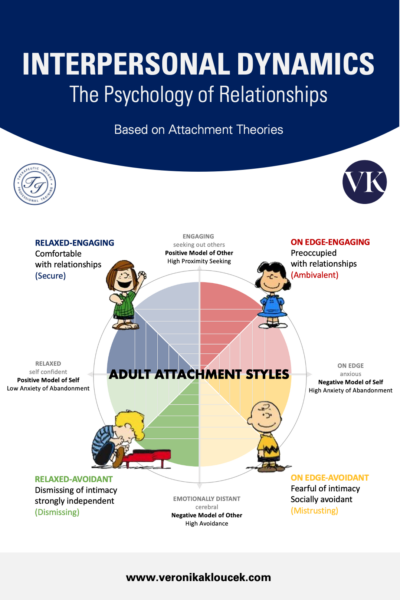
At its core, attachment theory seeks to understand how individuals form emotional bonds, react to separation, and seek proximity or independence within relationships. By plotting attachment styles on a matrix with axes measuring tolerance of abandonment and proximity seeking, we can explore the four primary attachment styles: autonomous (secure) attachment, preoccupied (insecure/anxious) attachment, dismissing (insecure/avoidant) attachment, and fearful-avoidant (disorganised) attachment.
Attachment Styles on a Matrix
To comprehend the four primary attachment styles, we can visualise them within a matrix:
Tolerance of Abandonment (Low to High): On one axis, we measure an individual’s emotional tolerance for abandonment. Low tolerance suggests a heightened fear of abandonment and rejection, while high tolerance implies a more relaxed attitude toward separations and the potential end of relationships.
Proximity Seeking (Low to High): The other axis evaluates an individual’s desire for physical and emotional closeness within relationships. Low proximity seeking indicates a preference for independence and emotional distance, while high proximity seeking reflects a strong need for intimacy and closeness.
The Four Primary Attachment Styles:
Autonomous (Secure) Attachment: Placing high on both the tolerance of abandonment and proximity seeking axes, individuals with autonomous attachment styles feel secure within themselves and their relationships. They have a balanced perspective on attachment, valuing both independence and intimacy. These individuals typically had caregivers who were consistently responsive to their needs during infancy, allowing them to develop trust and confidence in relationships.
Preoccupied (Insecure/Anxious) Attachment: High in proximity seeking but low in tolerance of abandonment, preoccupied individuals are often characterised by intense emotional needs and fears of rejection. They may become anxious and overly dependent on their partners, fearing abandonment and seeking constant reassurance. Their attachment style is often rooted in inconsistent caregiving during childhood.
Dismissing (Insecure/Avoidant) Attachment: Individuals with dismissing attachment styles score low on both the proximity seeking and tolerance of abandonment axes. They prioritise independence and self-sufficiency, often distancing themselves emotionally from others. They may find it challenging to rely on others or express vulnerability in relationships, reflecting a history of caregivers who were unresponsive or emotionally distant during their formative years.
Fearful-Avoidant (Disorganized) Attachment: Positioned in the high proximity seeking and low tolerance of abandonment quadrant, fearful-avoidant individuals exhibit a complex relationship with attachment. They may have a strong desire for intimacy but are simultaneously overwhelmed by the fear of getting hurt. This attachment style often arises from experiences of inconsistent caregiving or traumatic childhood events.
Implications for Adult Relationships
While individuals possess the capacity for all attachment styles, their default style tends to surface when they are under pressure or facing significant stressors as is often the case in romantic or work relationships. This default style guides how they cope with challenges, navigate relationships, and make decisions.
Securely attached individuals tend to form stable and fulfilling partnerships, while those with insecure attachment styles may encounter challenges related to excessive neediness (preoccupied), emotional distance (dismissing), or unpredictable behaviour (fearful-avoidant).
Recognising one’s default attachment style is essential for personal growth and relationship dynamics. It allows individuals to understand their tendencies under pressure and empowers them to adopt healthier coping mechanisms and communication strategies.
It is also crucial to acknowledge that attachment styles can evolve and change over time, particularly with self-awareness and therapeutic interventions. A mutually supportive relationship, in private life or at work, can also be an environment for change so long as both parties are open to communication and committed to doing self development work.
In summary, attachment theory offers a framework to comprehend the dynamics of human relationships. Understanding how individuals react to pressure and stress in their relationships can promote a mutually supportive environment. While everyone has the capacity for all attachment styles, recognising one’s default style is crucial for personal development and improved relationship dynamics. By acknowledging these patterns and working on self-awareness, individuals can strive for healthier, more fulfilling connections, and navigate challenging situations with greater resilience and understanding in both personal life and the work environment.
If this article resonates with you and you would like to find out more for yourself or your organisation about how we can help you increase your stress resilience and help prevent burnout, schedule a confidential enquiry call today!
Asking for a definition of mindfulness is a bit like asking, “What does a strawberry taste like?” or “What does your favourite piece of music sound like”? Definitions cannot capture the experience of tasting or listening. They can only give us an idea of what the actual experience is like. And each of our experiences is unique to each individual, mine might not be like yours and it might be different in the morning and the evening.
Definitions aim to approximate the experience and put it into concepts that we can relate to. Here are two popular working definitions:
“Mindfulness is paying attention in a particular way: on purpose, in the present moment, and non-judgmentally” writes Jon Kabat-Zinn (1994), founder of the Mindfulness-based Stress Reduction program (MBSR).
“Mindfulness is the willingness and capacity to be equally present with all events and experiences with discernment, curiosity and kindness”, is how Christina Feldman (2012) puts it.
So mindfulness is about awareness but not just any kind of awareness. For example, if I ask you to pay attention to your left foot right now you might think “the shoe is uncomfortable”, or “my right foot is bigger than my left foot”.
In mindfulness you learn to pay openhearted attention to your experience as it arises in your awareness. By focussing on your left foot you start to notice any and all sensations just as they are. As such you may first become aware of the contact of your foot with a sock or a shoe and then of internal sensations like a tingling, buzzing, itching, cold, warmth or a numbness. You may notice a change in these sensations. It takes time to develop this kind of sustained attention to experiences as it arises in awareness. And that’s not all.
We often want things to be different than they actually are.
In mindfulness you learn to pay attention deliberately, in the present moment, to how things are rather than how you wish them to be. Instead of worrying about the future or re-thinking and regretting the past over and over we learn to ground ourselves in the present moment and cultivate kindness and compassion towards our experience whether it is pleasant or unpleasant.
Yes, this is much easier said than done.
Why would I want to learn to do that, you may ask?
The single most important argument for developing your mindfulness skills is because right now and right here is the only moment in which you have a choice about how to respond to what is happening.
We live in a fast paced, multitasking world that fosters “mindlessness” or “going on automatic pilot”.
Time is a sought after commodity. The pressure of juggling work demands, home life, social commitments, and financial responsibilities is stressful. It is easy to become lost in automatic patterns of thinking, feeling and behaviour and stuck feeling anxious or depressed.
Mindfulness will not change life circumstances but it may help you to find a wiser relationship to how you approach your experience.
As you learn to recognise the patterns of your thoughts, feelings and bodily sensations, choice becomes available. Using your experience as information system the possibility arises to step away from unconscious automatic mental, emotional and somatic reactions to difficulties and stress. We learn to tune into our minds, hearts and bodies allowing new responses to emerge.
Mindfulness creates space, where impulsive reactions can be turned into thoughtful responses.
As we learn to recognise when we are running an automatic pattern we learn to pause and be present. Instead of feeling at the mercy of things because we take thoughts and feelings for facts, we can realise that they are actually mental events over which we do have a choice to respond however strong their grip is.
Mindfulness is an ancient core practice in Buddhism. That said, every religion and culture around the world has recognised the wisdom that lies in compassionate, present-moment awareness. Today, mindfulness in the West is a secular practice with ample training available.
Over the past 30 years scientists have researched mindfulness extensively showing that regular practice fosters physical, emotional and mental health and wellbeing. The formal and informal practices entail focussing on the body, breath, movement and interaction and benefits are manifold. Here are a few:
Increasing presence
Fostering compassion and kindness towards yourself and others
Recognise habitual patterns of thinking, feeling and behaving
Reducing stress and anxiety and building stress resilience
Stimulating focus and attention
Adopting a less critical, tight view
Enhancing creativity and gaining clarity
Making more attuned decisions
Finding more flexible responses
Become more flexible with inevitable change
Balancing our problem solving attitude and cultivate a more nourishing way of living
Strengthening the immune system
Finding a better way to cope with stress is relevant for all of us be this at work, where it can help us make better decisions and create a more inspiring working environment, or at home with our family and friends. It can help us become better parents, friends, students, leaders.
Mindfulness finds ample clinical application (MBSR, MBCT etc.) for its therapeutic benefits such as stress reduction, anxiety, depression, chronic pain, eating disorders, addiction, parenting/childbirth. There are ample of apps available that will help you get into and maintain a regular practice such as for example Headspace. Specialist programs are also available for mindful leaders, mindfulness in schools etc.
In response to what we are doing and how we are feeling, the rhythm of our breathing changes. It speeds up with physical exertion or emotional distress, and it slows down during sleep or periods of relaxation.
Sometimes our breathing is very regular, and at other times, it is irregular, even laboured. Frequent, intense, long lasting irregular breathing suggests emotional dysregulation.
Emotional Dysregulation
From a physiological perspective, dysregulated emotion arises when the sympathetic branch of your nervous system responsible for “fight of flight” is overactive while at the same time the parasympathetic branch responsible for “rest & digest” goes quiet.
Once the perceived physiological or psychological threat has passed, parasympathetic reactivates enabling a return to normal functioning levels of heart rate, breathing and other physiological functions.
This matters because the “fight or flight” sympathetic branch automatic alarm reaction readies your body for immediate self-protection whereby it increases your breathing and heart rate to pump blood faster to major muscle groups.
Research suggests, in people who struggle with emotional regulation, the parasympathetic function switches off more quickly and takes much longer to reactivate leaving emotions to linger far longer. When this becomes chronic, it can leave you stuck with anxiety, worry, fear, shame, sadness, anger and excessively emotionally reactive.
There are many relaxation and distraction techniques that will involve parasympathetic activation and help calm down in-the-moment. In this article I describe 5 Instant Ways To Calm an Emotional Storm »
However, the ability to keep control whilst not switching off emotionally comes from a regular abdominal breathing practice over time. It is achieved through increasing heart rate variability which synchronises physiological functions.
This active engagement of positive emotions distinguishes it from the low-energy state of relaxation, offering a calm, balanced, and responsive experience conducive to everyday functioning.
Impact on Heart Rate and Breathing
The heart rate is tied to how the body responds when a threat is perceived. If you feel threatened, physiologically or emotionally, you notice a pounding and tightness in your chest indicating an increase in your heart rate.
Dysregulated emotions and fast breathing result in erratic and small heart rate fluctuations indicating that the two branches of the autonomous nervous system are out of synch with each other. It is like driving a car with one foot on the gas and the other on the brake pedal.
As a result, long term chronic emotional arousal is straining both, physical and mental health.
Heart Rate for Different Emotional States: Frustration vs. Appreciation
Along with low heart rate variability come a host of potential problems, including:
Higher level of stress reactivity
Problems with sustained attention
Stronger cortisol reactivity responses
Problems inhibiting reactivity
Problems with flexibility
Interference with emotional regulation
Heart Rate Variability
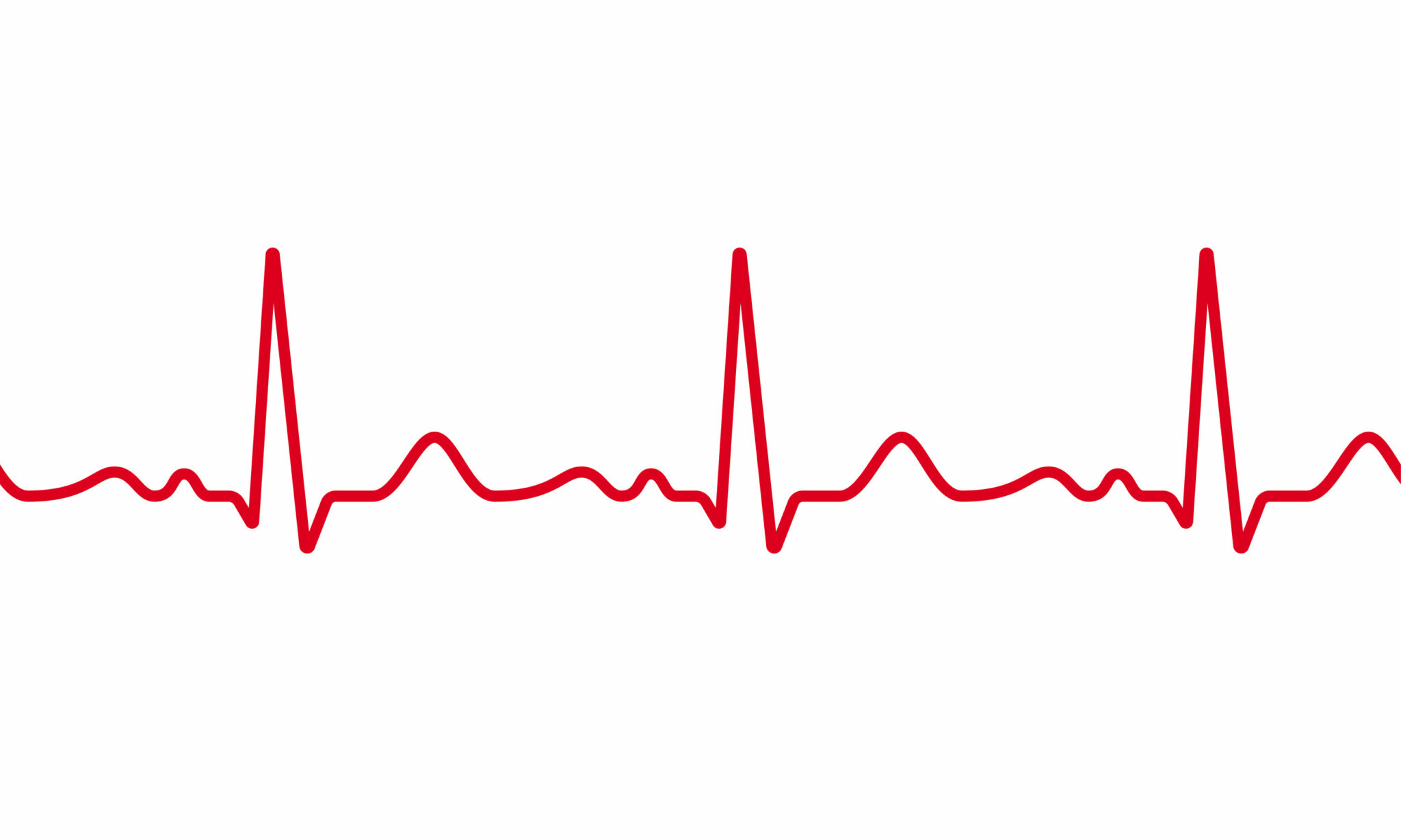
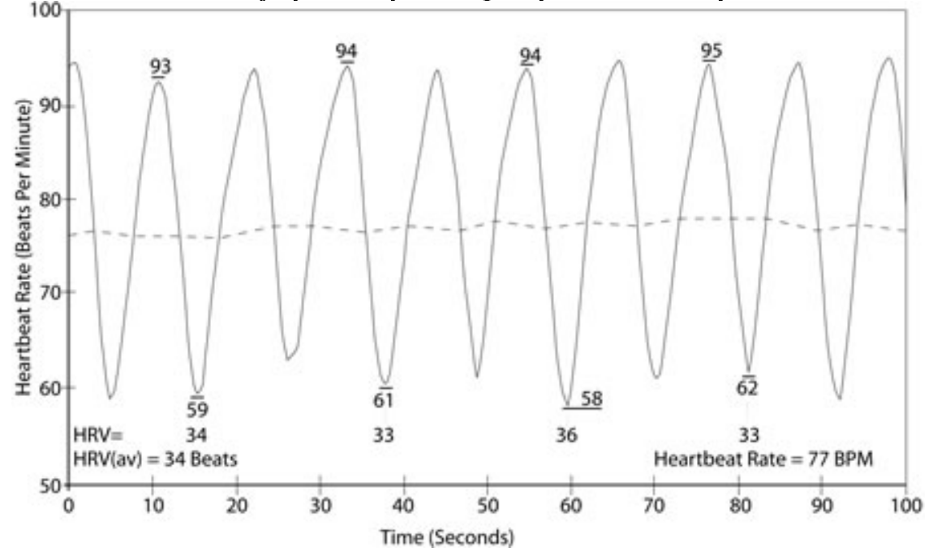
Heart rate variability is the difference between the heart beats during inhalation and exhalation. Typically, the average person has a peak heart rate of 85 bpm (beaths per minute) during inhalation and 75 bpm during exhalation, a difference of 10 bpm.
Generally, people with a relatively large difference in bpm are more adaptable, regulated, and flexible. They tend to have better physical health and the ability to control behaviour and persist in effortful behaviours.
Habitual shallow, rapid breathing, often accompanied by momentarily holding the breath, sighing, and gasping results in increased heart rate, heightened blood pressure, gastro-intestinal distress, asthmatic symptoms, neck and shoulder tension, as well as anxiety and emotional arousal.
The Power of Slowing Down Your Breathing
Not only is breathing pace caused by sympathetic and parasympathetic activity, but it is also true that breathing pace causes changes in sympathetic and parasympathetic activity.
Slow breathing increases heart rate variability. For example, when the peak heart rate during inhalation is 95 bpm and the slowest heart rate during exhalation is 60 bpm, this results in a difference of 35 bpm.
For most people the regular breathing pace is 8 to 10 breaths per minute. To regulate emotions effectively, breathing needs to be slowed down to a rate somewhere between five to six breaths per minute elongating one complete breath cycle to 10-12 seconds.
According to Dr. Brown, shorter people and women have an optimal breathing rate that is faster than for taller people. For example, the ideal rate for people five feet tall is about 6 breaths per minute, on average (ranging between 5.4 and 6.4 breaths per minute), whereas for people six feet tall the optimal rate is about 5.3 breaths per minute (ranging between 5.0 and 5.7).
Diaphragmatic Breathing Technique
Slow abdominal breathing, also called diaphragmatic or belly breathing, is a technique that involves breathing from the abdomen, relying entirely on the diaphragm muscle, without moving the chest.
You can try it by sitting upright placing one hand on your chest and one hand on your tummy. With each breath you want to try expanding and contracting your tummy without creating movement in your chest.
You can also practice by lying down on the back, placing a book on the abdomen, near the bellybutton, and during the inhalation, lifting up the book. During the exhalation, the pressure of the book pushes the abdomen back down.
Emotion regulation is enhanced when the exhalation time is about twice as long as the inhalation time. Thus, for many people the ideal breathing pace is for the inhalation to last about four seconds and the exhalation to last about six to eight seconds.
Sometimes this is called 7/11 breathing referring to the difference in length of inhale/exhale. In Ashtanga Yoga the Ujjayi breathing method encapsulates these principles. For those who prefer science, breathing pacers and biofeedback devices are available to purchase.
Breathing Practice Benefits
Optimal breathing results in lowered blood pressure and heart rate, a decreased sweat response and a general sense of peace and wellbeing.
Smooth heartbeat fluctuations. Heart rate substantially decreases during the exhale.
Yoga practitioners know from experience, practicing slow breathing for 20 minutes per day enhances heart rate coherence and synchronicity between breathing, heart rate fluctuations and blood pressure fluctuations. They are both important indicators of overall emotional and physiological harmony.
If you find yourself stuck in stress cycles on a trajectory to burnout, and struggle to decide what changes to make, it’s time to update your stress management strategies! Come talk to a professional who can assist you in discovering ways to better deal with chronic stress and overwhelm, and help you gain insight into the behavioural and relational patterns that trigger stress and overwhelm for you enabling you to make different choices.
If you would like to find out more about how we can help you increase your stress resilience and help prevent burnout, schedule a confidential enquiry call today!
Chen, Y. F., Huang, X. Y., Chien, C. H., & Cheng, J. F. (2017). The effectiveness of diaphragmatic breathing relaxation training for reducing anxiety. Perspectives in Psychiatric Care, 53, 329-336.
Kabat-Zinn, J., & Hanh, T. N. (2009). Full catastrophe living: Using the wisdom of your body and mind to face stress, pain, and illness. Delta.